Document Management: From Paper Chaos to Digital Order
Paper-based processes cost an SME real money per employee, every year, in lost productivity. Digital document management systems eliminate this waste immediately.
Replace filing cabinets with cloud storage solutions like SharePoint or Google Workspace. Implement electronic signatures through DocuSign or similar platforms. The result: 40% faster document processing and zero printing costs for internal operations.
One manufacturing company with 120 employees reduced administrative overhead by €48,000 yearly simply by digitizing their purchase order workflow.
Automated Customer Communication Workflows
Manual customer follow-ups drain resources. Marketing automation platforms like HubSpot or Mailchimp handle repetitive communications automatically.
Set up automated email sequences for new customers, payment reminders, and service renewals. This frees your team to handle complex customer issues while ensuring no communication falls through cracks.
Inventory Management Through Real-Time Systems
Spreadsheet-based inventory tracking creates expensive errors. Digital inventory systems provide real-time stock levels, automatic reorder points, and demand forecasting.
Cloud-based solutions like TradeGecko or Cin7 integrate with your sales channels, updating inventory across all platforms simultaneously. This eliminates overstocking costs and prevents lost sales from stockouts.
Companies typically reduce inventory carrying costs by 20-30% within six months of implementation.
Remote Work Infrastructure That Actually Works
Poorly planned remote work setups cost money through lost productivity and security issues. Proper digital infrastructure pays for itself quickly.
Invest in reliable VPN access, cloud-based collaboration tools, and unified communication platforms. Microsoft Teams or Slack combined with cloud file storage reduces office space requirements while maintaining productivity.
Data-Driven Decision Making Tools
Gut-feeling decisions waste money. Business intelligence tools turn your existing data into actionable insights without requiring data science expertise.
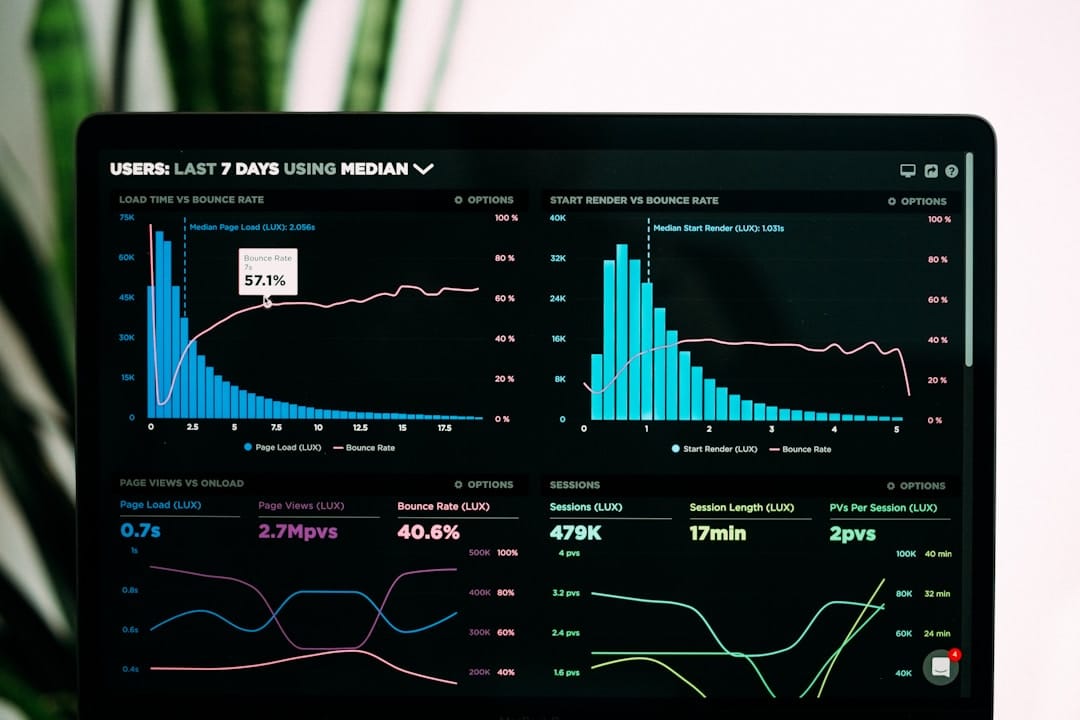
Platforms like Tableau or Power BI connect to your existing systems, creating dashboards that reveal cost patterns, customer behaviors, and operational inefficiencies.
SMEs using business intelligence tools identify an average of 15% cost savings opportunities within their first quarter of implementation.
These five changes don’t require massive upfront investments or technical expertise. Start with the area causing your biggest operational headache—usually document management or customer communication. Each improvement builds momentum for the next, creating compound cost savings that transform your bottom line.
Digital Transition Investment Priorities for SMEs
| Change Type | Implementation Cost | Payback Period | Annual Savings Potential |
|---|---|---|---|
| Document Management | €5,000-€15,000 | 3-6 months | €20,000-€60,000 |
| Customer Automation | €8,000-€25,000 | 6-12 months | €30,000-€80,000 |
| Inventory Systems | €10,000-€30,000 | 6-18 months | €25,000-€100,000 |
| Remote Work Setup | €15,000-€40,000 | 12-24 months | €40,000-€120,000 |
Frequently Asked Questions
What's the typical payback period for SME digital transition investments?
Most SMEs see positive ROI within 6-12 months for process automation and document management. Customer management systems typically pay back within 18 months through improved efficiency and retention.
How much should a 100-employee company budget for digital transition?
Plan for 2-4% of annual revenue in the first year, focusing on high-impact, low-complexity changes first. This typically ranges from €50,000-€150,000 depending on current technology maturity.
Which digital change delivers the fastest cost savings for SMEs?
Document management automation typically delivers immediate savings through reduced printing, storage, and administrative time. Most companies see 20-30% reduction in document-related costs within 60 days.
Do we need dedicated IT staff to manage these digital tools?
Modern cloud-based solutions require minimal technical maintenance. Most SMEs successfully manage these tools with existing staff plus occasional external support for setup and training.
How do we measure the actual cost savings from digital transition?
Track specific metrics before and after implementation: document processing time, customer response rates, inventory turnover, and administrative hours. These concrete numbers show real savings beyond subjective productivity improvements.
Elevate the Experience at Your Establishments
Embody this excellence daily with our Digital Welcome Booklet. A premium hotel solution, custom-designed to magnify your services and delight your most discerning clientele.
Discover the solution →A question about your specific situation? We discuss it on our forum.