
Specialised Product Manufacturers
Digital solutions to modernise online presence, distribution channels and BtoB order management for manufacturers.
Context and challenges
Specialised product manufacturers face unprecedented pressure to modernise operations whilst maintaining the precision and quality that defines their market position. These companies often operate with legacy systems that served them well for decades but now create bottlenecks in production planning, inventory management, and customer response times. The challenge becomes more acute when dealing with complex product configurations, stringent regulatory requirements, and the need for traceability throughout the manufacturing process.
Digital transition in this sector requires a delicate balance between innovation and operational continuity. Manufacturers cannot afford production disruptions, yet they must evolve to meet changing customer expectations and competitive pressures. The integration of new technologies with existing manufacturing equipment and processes demands careful planning and phased implementation strategies that minimise risk whilst maximising operational improvements.
Supply chain complexity adds another layer of difficulty for specialised manufacturers. These companies typically rely on specific suppliers for critical components, making them vulnerable to disruptions. Traditional supply chain management approaches often lack the visibility and agility needed to respond quickly to changes in demand or supply constraints. This vulnerability became particularly apparent during recent global supply chain disruptions.
Customer requirements in specialised manufacturing have evolved beyond simple product delivery to include real-time tracking, customisation capabilities, and comprehensive documentation. Manufacturers must now provide detailed production histories, compliance certificates, and performance data alongside their products. Meeting these requirements with manual processes or disconnected systems creates inefficiencies and increases the risk of errors that could impact customer relationships and regulatory compliance.
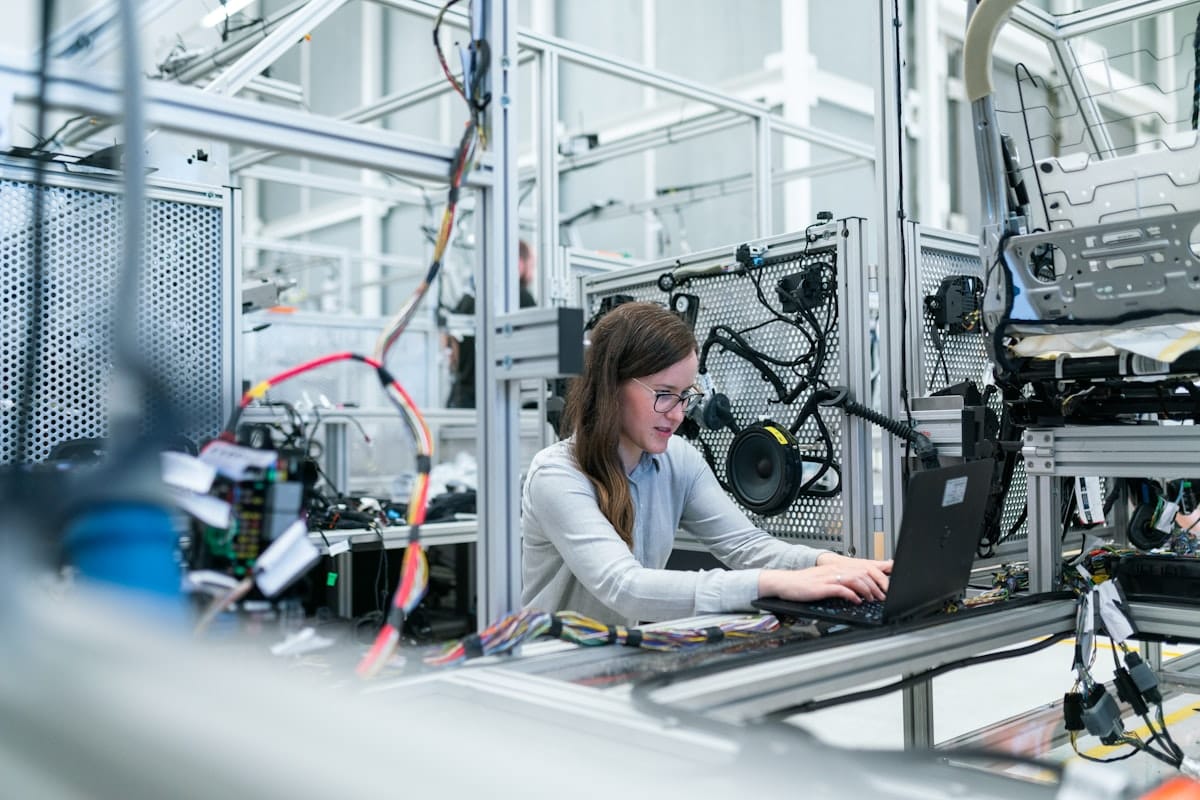
Moving from prototype to production run is paid for in re-entry. The bill of materials is retyped between design office and machining, and every change of definition travels by email rather than through the system.
Strategic vision
Our vision for specialised product manufacturers centres on creating integrated digital architectures that enhance precision, visibility, and responsiveness without compromising the craftsmanship and quality that differentiate these companies. We see manufacturers transforming from reactive production models to predictive, data-driven operations that anticipate customer needs and market changes whilst maintaining the flexibility to handle complex, customised orders efficiently.
The digital transition journey leads to manufacturers who can seamlessly integrate customer requirements with production capabilities, supplier networks, and quality assurance processes. These companies leverage real-time data to optimise resource allocation, predict maintenance needs, and ensure consistent product quality across all production runs. They become more resilient through diversified supplier networks and adaptive production processes.
Success in this transformation means manufacturers can compete effectively with larger competitors by offering superior responsiveness and customisation capabilities. They maintain their specialist expertise whilst gaining the operational efficiency and market insights typically associated with much larger organisations. This combination creates sustainable competitive advantages that are difficult for competitors to replicate.
Solutions
Integrated Production Management
We implement comprehensive production management systems that connect every aspect of the manufacturing process, from initial order capture through final delivery. These solutions provide real-time visibility into production status, resource utilisation, and quality metrics, enabling manufacturers to make informed decisions quickly and respond to changing requirements without disrupting ongoing operations.
Our approach focuses on creating seamless workflows that eliminate information silos and reduce manual data entry. By integrating production planning, inventory management, and quality control systems, manufacturers gain complete oversight of their operations and can identify optimisation opportunities that were previously hidden in fragmented processes.
- Real-time production scheduling and resource allocation optimisation
- Automated quality control integration with production workflows
- Complete traceability from raw materials through finished products
- Predictive maintenance scheduling based on equipment performance data
Supply Chain Optimisation
We develop intelligent supply chain solutions that provide manufacturers with the visibility and control needed to manage complex supplier relationships and inventory requirements. These systems use advanced analytics to predict demand patterns, identify potential disruptions, and recommend optimal inventory levels that balance cost efficiency with production continuity.
Our supply chain solutions extend beyond traditional inventory management to include supplier performance monitoring, alternative sourcing strategies, and collaborative planning tools that strengthen relationships with key suppliers. This comprehensive approach reduces supply chain risks whilst maintaining the quality standards essential for specialised manufacturing.
- Advanced demand forecasting using historical data and market indicators
- Supplier performance monitoring and risk assessment tools
- Automated purchase order generation and approval workflows
- Integration with supplier systems for real-time inventory visibility
Customer Experience Enhancement
We create customer-facing solutions that provide transparency and convenience without exposing the complexity of specialised manufacturing processes. These platforms enable customers to place orders, track production progress, and access documentation through intuitive interfaces that reflect the professional image of specialised manufacturers.
Our customer experience solutions include self-service capabilities that reduce administrative overhead whilst providing customers with immediate access to information about their orders, product specifications, and delivery schedules. This approach improves customer satisfaction whilst freeing internal resources to focus on value-added activities.
- Customer portals with real-time order tracking and documentation access
- Automated communication systems for production updates and delivery notifications
- Digital product catalogues with configuration and pricing tools
- Integration with customer procurement systems for streamlined ordering
A catalogue that commits
We connect product configuration, distributor pricing and order intake so a technical quote stays accurate when the range changes, with no manual rework.
Our methodology for specialised product manufacturers begins with comprehensive operational analysis that maps existing processes, identifies critical dependencies, and evaluates current technology infrastructure. We work closely with production teams, quality managers, and customer service staff to understand the unique requirements and constraints that shape daily operations. This deep understanding ensures our recommendations align with both operational realities and strategic objectives.
We implement solutions through carefully planned phases that minimise disruption to ongoing production activities. Each phase includes thorough testing procedures, staff training programmes, and contingency plans that ensure business continuity throughout the transformation process. Our approach recognises that specialised manufacturers cannot afford operational disruptions, so we design implementation schedules around production cycles and seasonal demands.
Change management receives particular attention in our methodology because specialised manufacturing often involves skilled craftspeople and experienced technicians who may be cautious about new technologies. We develop training programmes that demonstrate how digital tools enhance rather than replace their expertise, showing clear connections between new capabilities and improved job satisfaction and efficiency.
Post-implementation support includes performance monitoring, user feedback collection, and continuous optimisation activities that ensure the solutions evolve with changing business requirements. We establish key performance indicators that reflect the unique success factors for each manufacturer and provide regular assessments that identify opportunities for further improvements and expansion of digital capabilities.
Indicators
Accelerate your digital trajectory in the Specialised Product Manufacturers sector
Our sector experts work with you to define the roadmap tailored to your challenges.
Book a 45-min call