The Science Behind Emotional Design in Business
Emotional design isn’t marketing fluff—it’s a measurable business strategy. Emotionally engaged customers recommend your product, and come back to buy again. For mid-market companies, this translates directly to revenue growth and customer retention.
The principle is simple: people make decisions with their emotions, then justify with logic. When your digital touchpoints—websites, apps, customer portals—trigger positive emotions, you create stronger business outcomes. This matters especially for B2B companies where purchase decisions involve multiple stakeholders and longer sales cycles.
Three Emotional Design Strategies That Drive Results
1. Visual Hierarchy That Guides Emotional Response
Your interface should create a clear emotional journey. Use color psychology strategically—blue builds trust (critical for financial services), green suggests growth (perfect for SaaS platforms), orange creates urgency (ideal for e-commerce). Investment in user experience is among the best-placed money in a digital budget, largely because of the emotional connection it builds.
Implement micro-interactions that provide immediate feedback. When a user completes an action—submitting a form, making a purchase—small animations or visual confirmations create satisfaction and reduce anxiety. These details separate professional platforms from amateur ones.
2. Personalization That Feels Human, Not Algorithmic
Generic experiences kill emotional connection. Consumers expect personalised interactions, and they are visibly frustrated when they don’t get them. But personalization in emotional design goes beyond inserting someone’s name in an email.
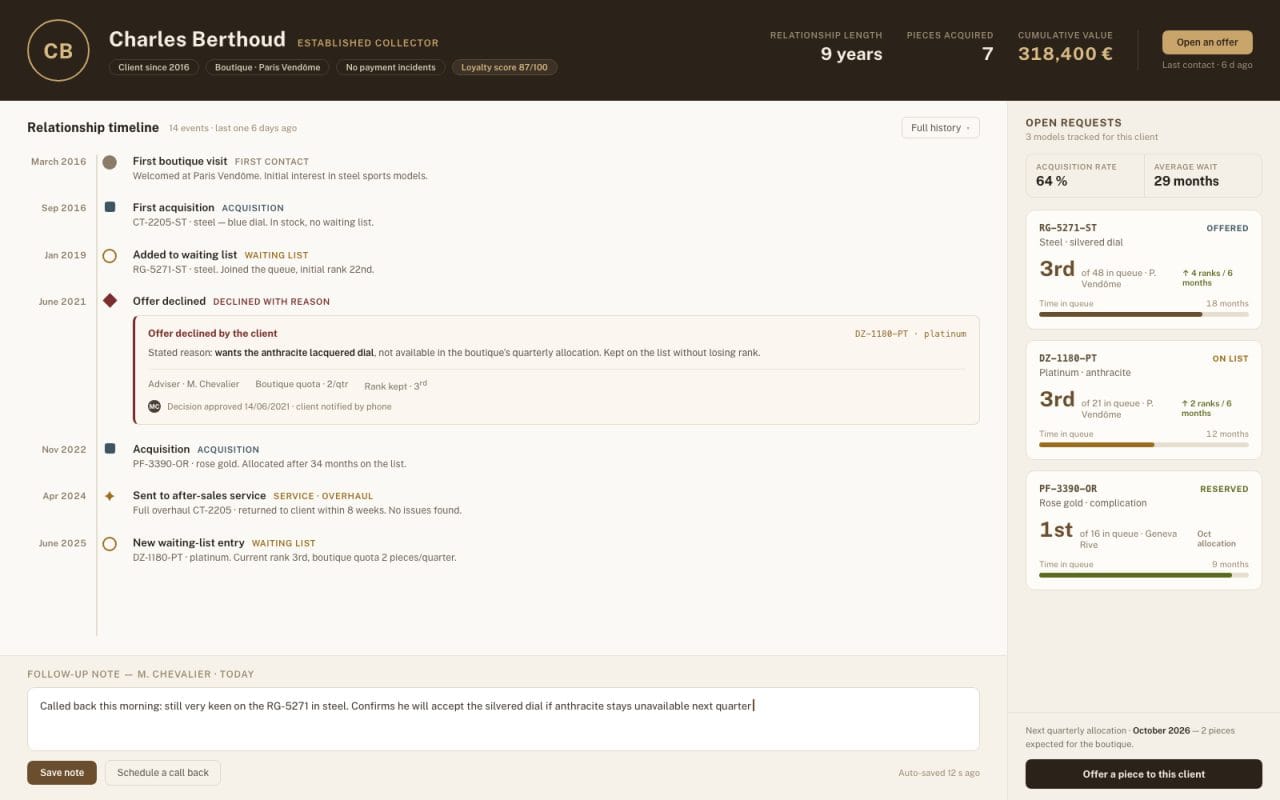
Create adaptive interfaces that learn user preferences over time. If someone frequently accesses financial reports, surface those first. If they prefer detailed product specifications, emphasize technical data. The goal is making each user feel like your platform was built specifically for them.
3. Friction Reduction in Critical Moments
Every unnecessary click, confusing form, or unclear instruction creates negative emotions. A customer who has had to work hard to get what they came for rarely comes back. Map your customer journey and identify high-stress moments—checkout processes, account registration, support requests.
Streamline these interactions ruthlessly. Use progressive disclosure to present information in digestible chunks. Provide clear error messages that explain what went wrong and how to fix it. Auto-fill forms where possible. These improvements compound into significantly better customer sentiment.
Measuring Emotional Design Impact
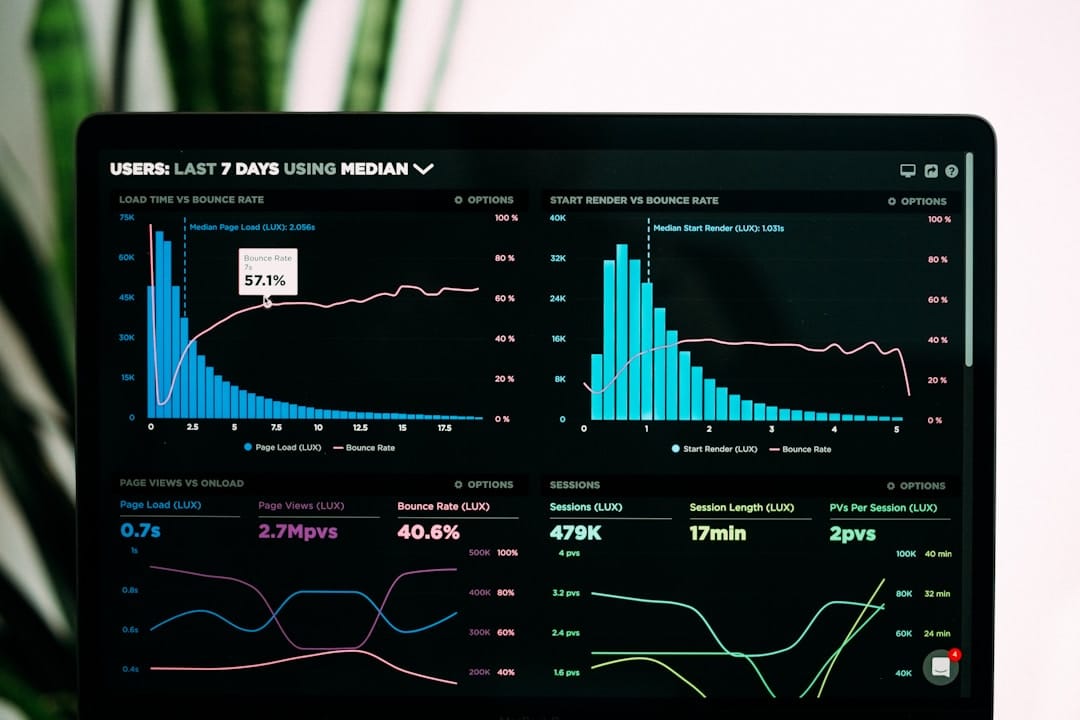
Track metrics that matter: Net Promoter Score, customer satisfaction ratings, task completion rates, and time-on-site. A/B test emotional elements—button colors, copy tone, imagery choices—to quantify their impact on conversion rates.
Monitor support ticket volume and content. When emotional design works, users need less help because interfaces feel intuitive. Support requests shift from “how do I…” questions to feature requests and advanced functionality needs.
Implementation for Mid-Market Companies
Start with your highest-impact touchpoints. For most B2B companies, this means your website’s landing pages, product demo flows, and customer onboarding sequences. You don’t need a complete redesign—focus on elements that directly influence purchase decisions or user adoption.
Conduct user interviews to understand emotional pain points in your current experience. Ask specific questions: “What was frustrating about this process?” “When did you feel confident in your decision?” “What made you doubt whether this was right for you?” These insights reveal where emotional design improvements will have the biggest business impact.
Remember that emotional design is ongoing optimization, not a one-time project. Customer expectations evolve, especially as they interact with consumer platforms that set higher standards for user experience. Regular testing and refinement ensure your emotional design remains effective.
Emotional Design Elements Comparison
| Design Element | Low Emotional Impact | High Emotional Impact |
|---|---|---|
| Color Usage | Default system colors | Strategic brand colors with psychology |
| Interactions | Static buttons and forms | Micro-animations and feedback |
| Content Tone | Generic corporate language | Personalized, conversational copy |
| Visual Hierarchy | Uniform text and spacing | Guided attention with contrast |
Frequently Asked Questions
What is emotional design in business applications?
Emotional design is the practice of creating user interfaces and experiences that trigger positive emotional responses, leading to increased engagement, trust, and conversion rates. It combines visual elements, interactions, and user flow to make business software feel intuitive and satisfying to use.
How do you measure the success of emotional design?
Key metrics include Net Promoter Score, customer satisfaction ratings, conversion rates, task completion rates, and support ticket volume. A/B testing specific emotional elements like button colors and copy tone provides quantifiable data on user response.
Can emotional design work for B2B companies?
Absolutely. B2B buyers are still human and make decisions based on emotions, then rationalize with logic. Emotional design in B2B contexts focuses on building trust, reducing friction, and creating confidence in complex purchase decisions.
What's the difference between UX design and emotional design?
UX design focuses on usability and functionality, while emotional design specifically targets the feelings users experience during interactions. Emotional design is a subset of UX that emphasizes psychological responses to visual and interactive elements.
How much should a mid-market company invest in emotional design?
Start with high-impact, low-cost changes like color adjustments, micro-interactions, and copy improvements. Forrester research shows $100 return for every $1 invested in user experience, making it a cost-effective business improvement strategy.
Elevate the Experience at Your Establishments
Embody this excellence daily with our Digital Welcome Booklet. A premium hotel solution, custom-designed to magnify your services and delight your most discerning clientele.
Discover the solution →A question about your specific situation? We discuss it on our forum.