Why AI Trust Systems Are Non-Negotiable for Mid-Market Success
Most mid-market companies have now deployed AI in at least one business function. Yet only a minority of those implementations reaches its projected return. The gap? Employee trust in AI-driven decisions.
For companies with 50-500 employees, this trust deficit creates operational bottlenecks. Your finance team questions AI expense categorization. Your sales team overrides AI lead scoring. Your operations staff manually verifies AI inventory recommendations. Each override wastes the efficiency gains you invested in.
Step 1: Implement Decision Audit Trails
Start with transparency at the decision level. Every AI recommendation must include a clear explanation of the factors that influenced it. For inventory management, this means showing seasonal trends, supplier lead times, and demand forecasts. For customer service routing, display customer history, issue complexity, and agent expertise matching.
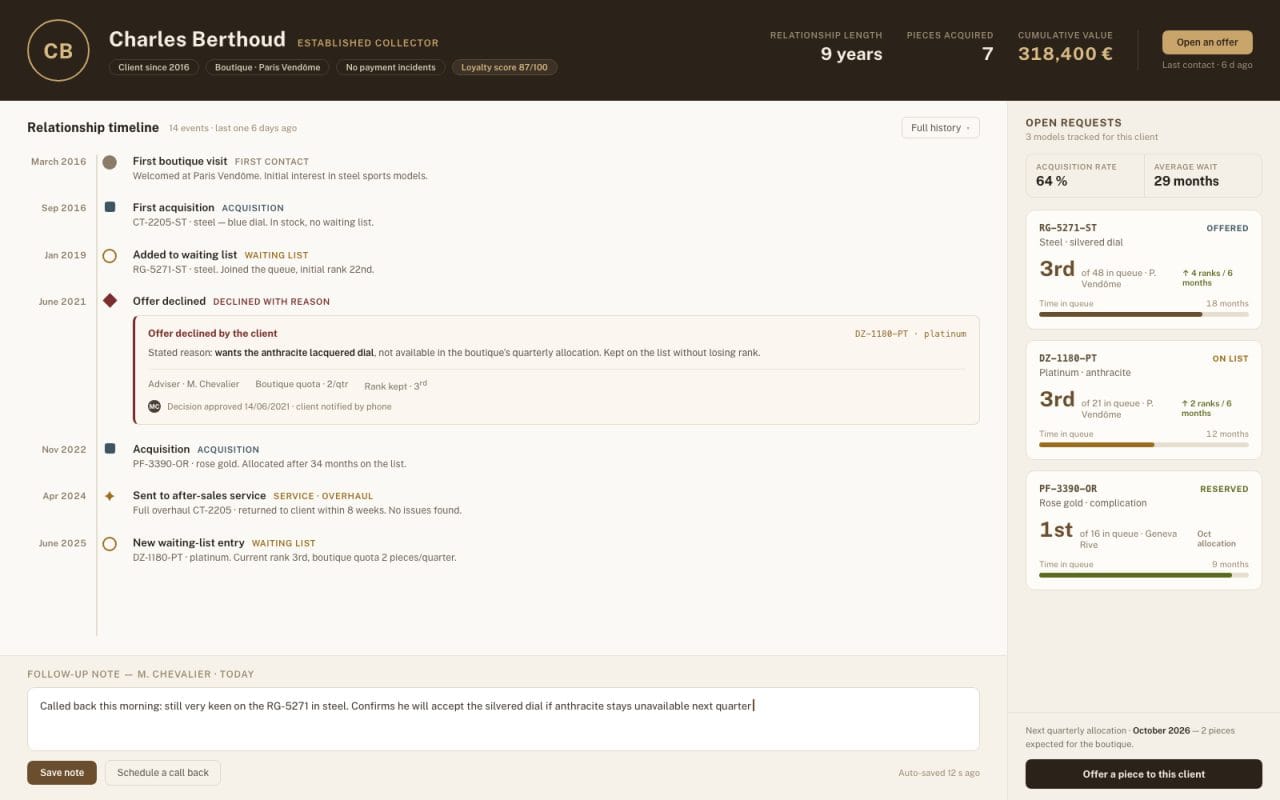
Create a simple dashboard where team members can see AI decision logic in real-time. This isn’t about technical details—it’s about business reasoning your staff can verify against their experience.
Step 2: Define Human Override Protocols
Establish clear rules for when humans can override AI decisions and how those overrides get captured. Create a feedback loop where override patterns inform AI model improvements. If your sales team consistently overrides lead scores for a particular industry, that signals a training data gap.
Document override frequency by department and decision type. High override rates indicate trust issues that need addressing, not training problems.
Step 3: Build Competency-Based AI Access
Not every employee needs the same level of AI interaction. Create tiered access based on role competency and business impact. Junior staff might receive AI suggestions with required manager approval. Senior team members get direct access with post-decision review.
This approach builds confidence gradually while maintaining operational control. Companies that open AI access gradually see higher adoption than those switching everyone on at once.
Step 4: Establish Performance Benchmarking
Create measurable comparisons between AI-assisted and manual processes. Track accuracy rates, processing times, and error frequency for both approaches. Share these metrics transparently with your teams.
When your accounting team sees that AI expense categorization achieves 94% accuracy compared to 87% manual accuracy, trust shifts from opinion to evidence. Update these benchmarks monthly and communicate improvements clearly.
Step 5: Create Collaborative Feedback Systems
Build formal mechanisms for employees to report AI performance issues and suggest improvements. This isn’t a suggestion box—it’s operational intelligence gathering.
Schedule monthly AI performance reviews with department heads. Discuss what’s working, what needs adjustment, and how AI recommendations align with business objectives. When teams see their feedback improving AI performance, they become stakeholders rather than skeptics.
Measuring Trust System Effectiveness
Track three key metrics: AI recommendation acceptance rate by department, time-to-trust for new AI implementations, and correlation between override frequency and business outcomes. Healthy trust systems show acceptance rates above 80%, trust establishment within 60 days, and decreasing override rates over time.
Monitor employee confidence through quarterly surveys focused on AI decision quality, not general satisfaction. Ask specific questions about AI recommendation accuracy and usefulness in daily work.
AI Trust Implementation: Internal vs External Support
| Criteria | Internal Implementation | External Consultant |
|---|---|---|
| Timeline | 6-12 months | 3-6 months |
| Cost | $50k-100k in staff time | $80k-150k consulting fees |
| Expertise | Limited AI trust experience | Proven methodologies |
| Customization | Highly tailored to culture | Best practices focused |
| Long-term Support | Full internal ownership | Knowledge transfer required |
Frequently Asked Questions
How long does it take to build effective AI trust systems?
Most mid-market companies see measurable trust improvements within 60-90 days of implementing structured decision transparency and feedback systems. Full cultural adoption typically takes 6-12 months depending on AI deployment complexity.
What's the biggest obstacle to AI trust in mid-market companies?
Lack of decision transparency is the primary barrier. When employees can't understand why AI made specific recommendations, they default to manual processes or ignore AI outputs entirely.
Should we allow unlimited human overrides of AI decisions?
No, unlimited overrides undermine AI effectiveness and create inconsistent processes. Establish clear override protocols with approval workflows and mandatory documentation to maintain both flexibility and accountability.
How do we measure if our AI trust systems are working?
Track AI recommendation acceptance rates by department, employee override frequency, and business outcome correlation. Target acceptance rates above 80% and decreasing override rates over time.
What level of AI transparency do mid-market employees actually need?
Focus on business logic transparency rather than technical details. Employees need to understand the business factors influencing AI decisions, not the underlying algorithms or data science methodologies.
Elevate the Experience at Your Establishments
Embody this excellence daily with our Digital Welcome Booklet. A premium hotel solution, custom-designed to magnify your services and delight your most discerning clientele.
Discover the solution →A question about your specific situation? We discuss it on our forum.