Your guests always ask the same questions
What time is breakfast? What is the Wi-Fi code? Where should we have dinner tonight? Every day, reception answers the same questions, on the phone or at the desk, often while welcoming another guest.
A welcome book is there to answer them. But it has to contain the right information, be up to date and be easy to find. Here is what we recommend putting in it, and how to make it useful.
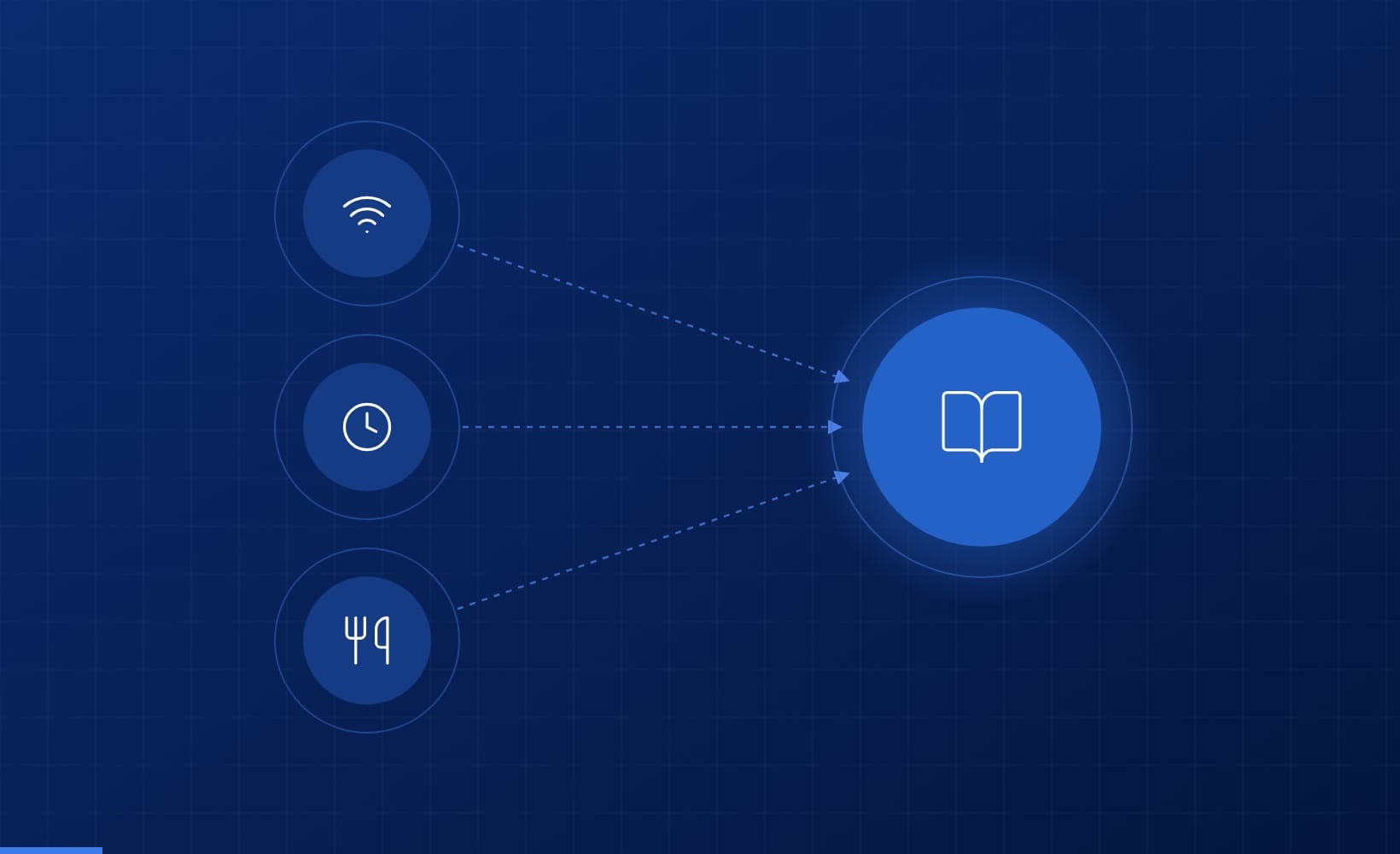
What to include in a hotel welcome book
A good welcome book follows the guest’s stay, from arrival to departure. Here is the outline we use as a starting point.
1. A welcome message
A few lines to greet the guest, introduce the hotel and set the tone. Short and sincere.
2. Practical information
- Opening hours of reception, breakfast and the restaurant.
- Wi-Fi network name and code.
- Check-out time and late check-out options.
- Parking, luggage storage, access, lift.
- Useful numbers: reception, emergencies, out-of-hours pharmacy.
3. The room
Air conditioning, television, safe, pillows on request, housekeeping: everything that saves a call for a simple question.
4. Hotel services
Restaurant and menu, bar, room service, spa, gym, laundry, shuttle. This is the part that shows guests what they did not know about, and that drives additional sales.
5. Local recommendations
Restaurants, sights, walks, shops, chosen by your team. It is often the most-read section, and the one that sets a personal welcome book apart from a generic one.
6. House rules and safety
Evacuation instructions, house rules, pets, smoking. Presented simply, without an administrative tone.
7. Departure
Check-out time, payment, key return, and an invitation to leave a review or to book the next stay directly with the hotel.
The most common mistakes
- Out-of-date information. A changed opening time, a partner restaurant that has closed: the guest trusts the book and finds a closed door.
- A book nobody can find. Tucked away in a drawer, it is of no use.
- A single language. International guests will not read a book written only in French.
- Too much text. Guests are looking for an answer, not a brochure.
- No way to act. The guest reads that there is a spa but has to go downstairs or call to book.
Paper or digital?
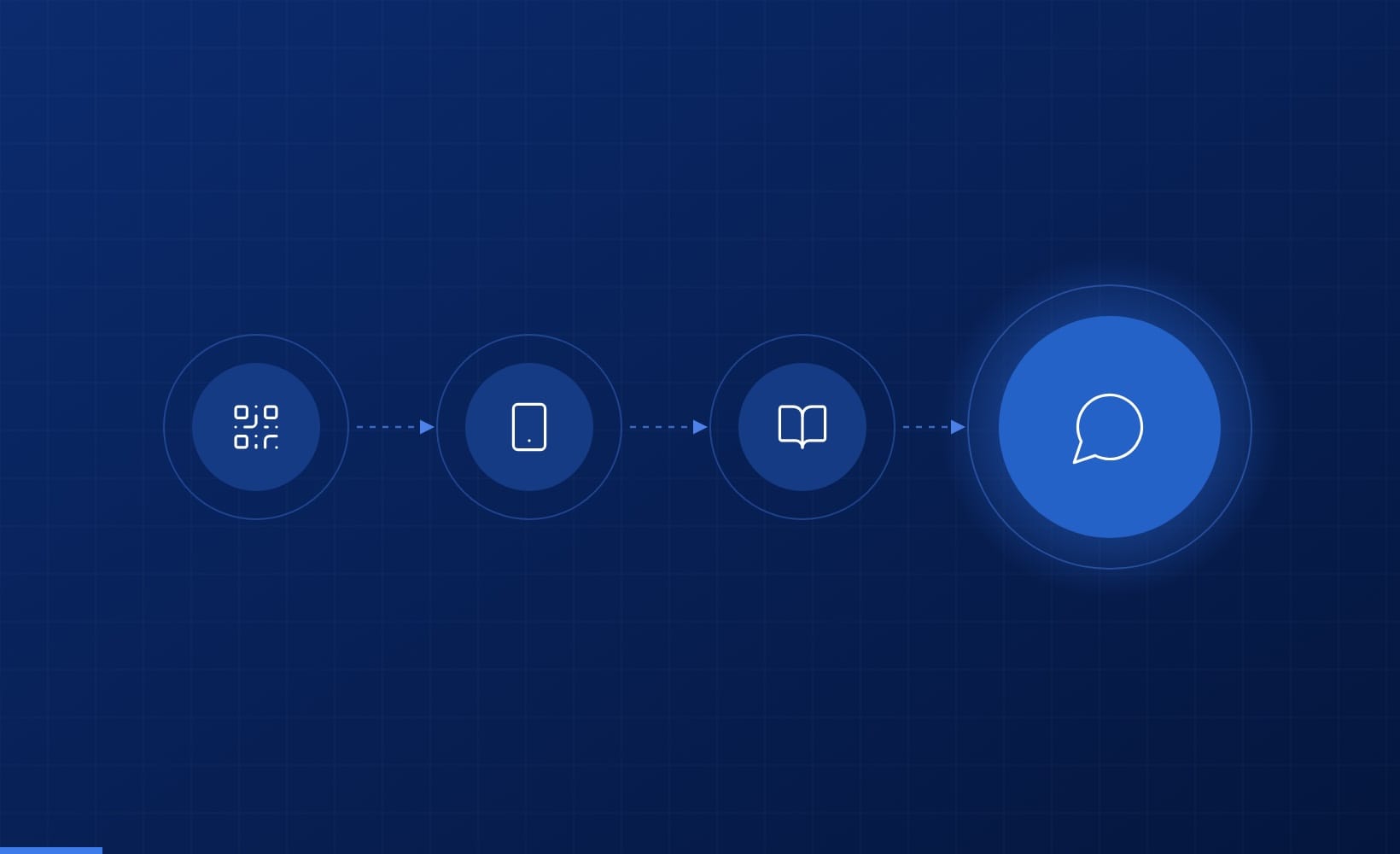
A paper welcome book has its qualities, but every update means reprinting each folder. A digital welcome book opens by scanning a QR code in the room, with no app to download. It can be updated in minutes, for every room at once, appears in the language of the guest’s phone and lets guests book a service online.
Nothing stops you keeping a simplified paper version for guests who prefer it.
Our solution: a free digital welcome book
What Clarendis puts in place: a free digital welcome book, accessible by QR code in the room. Answers at any hour, information always up to date, and services bookable online. Your team edits the content itself, and the local recommendations are the ones you choose.
Putting these tools in place in your hotel
Take action
- Free digital welcome book
- Concierge applications
- Our hospitality solutions
- Five digital guest services for mid-size hotels
- Hotel online check-in
To see these tools at work on a complete stay: the live presentation on 29 October
Frequently asked questions
What should a hotel welcome book include?
A welcome message, practical information (opening hours, Wi-Fi, check-out), how the room works, hotel services, local recommendations, safety instructions and departure information.
How do guests access the digital welcome book?
By scanning a QR code in the room or at reception. The welcome book opens in the phone’s browser, with no app to install.
How much does the Clarendis digital welcome book cost?
It is free of charge from Clarendis.
Can the welcome book be translated?
Yes. It appears in your guests’ languages, and every update applies to all versions.
Should we give up the paper welcome book?
No. A simplified paper version can stay in the room for guests who prefer it.
A project to scope?
Let's talk about your project: ERP, CRM, portals, e-invoicing.
Get in touch →A question about your specific situation? We discuss it on our forum.