The Reality of AI Implementation in Mid-Market Companies
SMEs are no longer testing AI—they’re deploying it at scale. Most enterprise IT leaders now run AI in production, and mid-market companies of 50 to 500 employees are adopting it fastest of all. These businesses have moved beyond chatbots and are implementing AI across core operations: inventory management, customer segmentation, and financial forecasting.
The shift is measurable. Companies running AI-driven automation get through markedly more work with the same staff. This isn’t about replacing workers—it’s about eliminating the manual data entry, routine analysis, and repetitive communications that consume valuable time.
Three High-Impact AI Automation Areas for SMEs
Customer Data Analysis and Segmentation
AI tools now analyze customer behavior patterns, purchase history, and engagement data to create actionable segments without manual spreadsheet work. Tools like HubSpot’s AI features and Salesforce Einstein automatically identify high-value prospects and recommend next-best actions for sales teams.
Invoice Processing and Financial Operations
Document processing AI extracts data from invoices, receipts, and contracts with 95%+ accuracy. Companies using tools like ABBYY FlexiCapture or Microsoft’s AI Builder report reducing invoice processing time from hours to minutes, while improving accuracy and compliance tracking.
Inventory and Supply Chain Optimization
AI algorithms predict demand patterns, optimize stock levels, and identify supply chain risks before they impact operations. Mid-market manufacturers using predictive inventory tools report 25-30% reduction in carrying costs while maintaining service levels.
Measuring Real ROI from AI Automation
Successful SME AI implementations focus on time-to-value metrics, not technology features. The most effective deployments target processes that consume 5+ hours per week of employee time and involve predictable, rule-based decisions.
Track these specific metrics: processing time reduction, error rate improvement, and employee satisfaction with automated workflows. Companies that track these operational metrics see far better returns than those watching cost savings alone.
Start with pilot implementations in single departments—finance, sales, or operations—then expand based on demonstrated results. The goal is proving value before scaling, not implementing AI across every possible business function.
Implementation Strategy That Actually Works
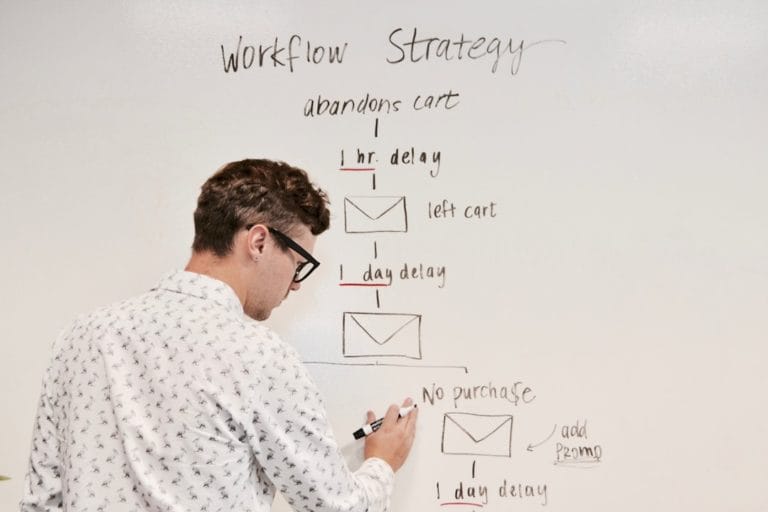
Begin with process mapping before technology selection. Document current workflows, identify bottlenecks, and quantify time spent on routine tasks. This data-driven approach ensures AI investments target genuine operational pain points rather than perceived problems.
Choose AI tools that integrate with existing systems. The highest-performing SME implementations use AI that works within current CRM, ERP, and communication platforms rather than requiring completely new software stacks.
Plan for change management from day one. Employee adoption determines AI success more than technical capabilities. Provide specific training on how AI tools improve daily work, not just how to use new interfaces.
AI Automation Tools Comparison for SMEs
| Feature | Entry Level Solutions | Enterprise Platforms |
|---|---|---|
| Implementation Time | 2-4 weeks | 8-12 weeks |
| Monthly Cost Range | $500-2,000 | $5,000-15,000 |
| Integration Complexity | Plug-and-play with common tools | Custom API development required |
| Staff Training Required | 2-3 days basic training | 2-4 weeks comprehensive training |
Frequently Asked Questions
What's the minimum company size that benefits from AI automation?
Companies with 50+ employees typically see measurable ROI from AI automation, particularly in finance, sales, and customer service functions. Smaller teams may benefit from specific tools but won't see enterprise-level efficiency gains.
How long does SME AI implementation typically take?
Pilot implementations take 2-4 weeks for single processes like invoice processing or lead scoring. Full departmental rollouts require 2-3 months including training and optimization.
What's the biggest mistake SMEs make with AI automation?
Trying to automate too many processes simultaneously instead of starting with one high-impact area. Successful implementations focus on single workflows with clear success metrics before expanding.
Do SMEs need dedicated AI staff to implement automation?
No, most AI automation tools are designed for business users, not technical specialists. However, having one person designated as the internal champion significantly improves adoption rates.
How much should SMEs budget for AI automation today?
Effective AI automation typically costs $5,000-15,000 per month for mid-market companies, including software licenses, training, and integration support. ROI usually appears within 6-9 months through time savings and error reduction.
Elevate the Experience at Your Establishments
Embody this excellence daily with our Digital Welcome Booklet. A premium hotel solution, custom-designed to magnify your services and delight your most discerning clientele.
Discover the solution →A question about your specific situation? We discuss it on our forum.